





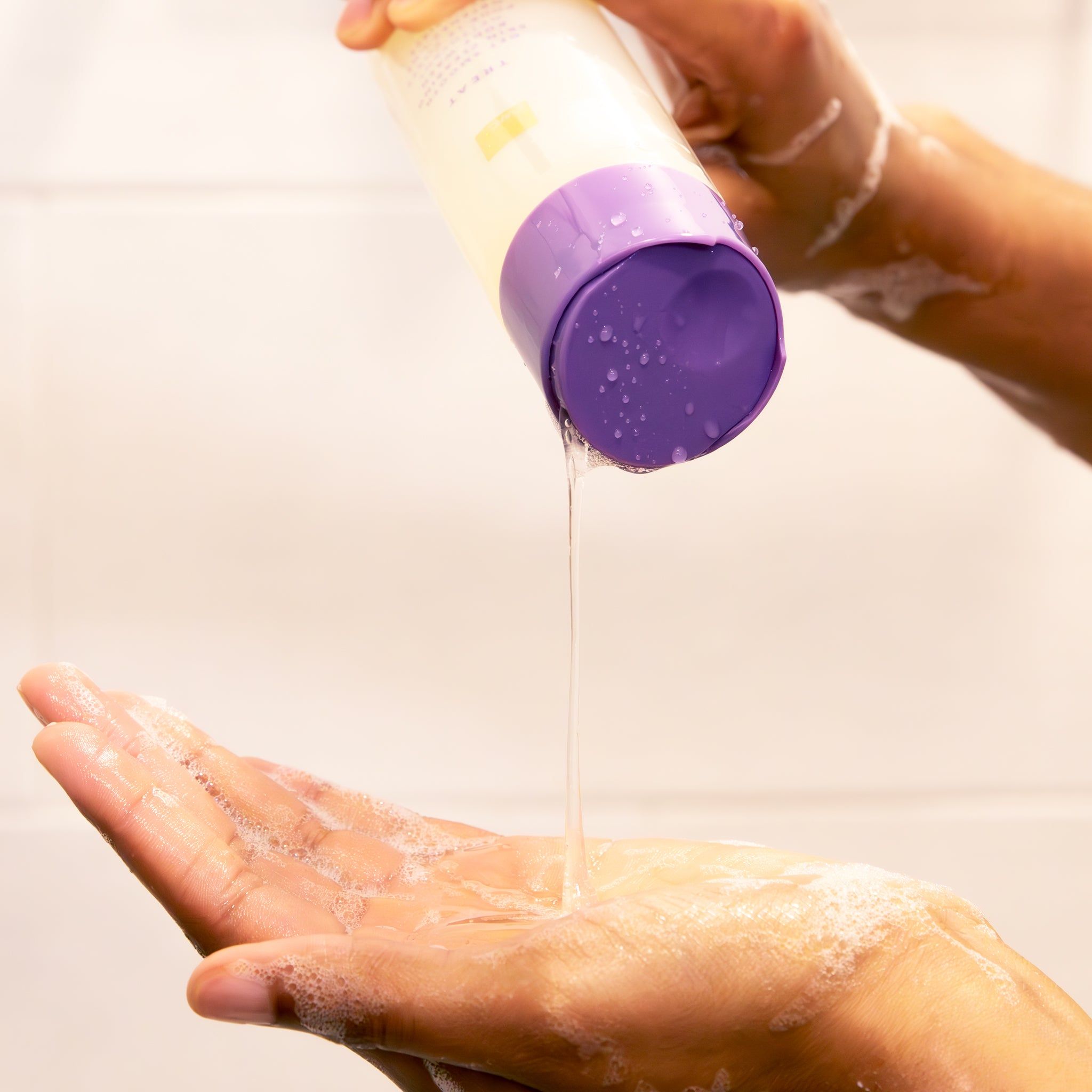
Choosing the right body wash is especially important when your skin feels easily irritated, dry, or reactive. Sensitive skin often responds strongly to environmental factors, harsh ingredients, and even water temperature. The wrong formula can leave your skin feeling tight, itchy, or uncomfortable after a shower. Understanding what to avoid in your daily routine can help maintain balance and keep your skin feeling calm, clean, and cared for.
Harsh Surfactants In Body Washes
Some body washes rely on strong cleansing agents that create excessive foam but can strip away natural oils. Ingredients such as aggressive sulphates may leave the skin feeling overly dry and stressed. For sensitive skin, this disruption of the protective barrier can lead to redness and discomfort. It is better to choose gentle, low-foaming cleansers that remove dirt and sweat without disturbing the skin’s moisture balance.
Artificial Fragrance And Strong Perfume
Fragrance is one of the most common triggers for sensitivity. While a pleasant scent may enhance the bathing experience, synthetic perfumes can cause stinging or irritation in reactive skin. Even products labelled as “fresh” or “long-lasting fragrance” may contain multiple scent compounds. Opting for fragrance-free or mildly scented options reduces the risk of flare-ups and keeps the routine soothing rather than overwhelming.
Alcohol-Based Formulations
Certain cleansers include high levels of alcohol to create a lightweight feel or quick-drying effect. However, alcohol can evaporate rapidly and draw moisture away from the skin. For sensitive types, this often results in dryness and a weakened skin barrier. Reading labels carefully and avoiding products where alcohol appears high on the ingredient list can help preserve hydration.
Excessive Exfoliating Particles In Bath And Body Products
Some bath and body products contain physical exfoliants such as large granules or rough beads. While exfoliation has its place, harsh scrubbing elements can cause micro-tears and aggravate delicate skin. Sensitive skin benefits more from mild, occasional exfoliation using soft cloths or gentle chemical exfoliants recommended for reactive conditions. Daily use of abrasive cleansers should be avoided.
Strong Preservatives And Additives
Preservatives are necessary to keep products safe, but certain types may not suit sensitive skin. Heavy use of dyes, artificial colours, and complex additive blends can increase the likelihood of irritation. Products with minimal, clearly listed ingredients are often a better choice. Simpler formulations tend to be easier for sensitive skin to tolerate.
Extremely Hot Water Habits
Even the best cleanser may not help if water temperature is too high. Hot showers can strip natural oils and leave the skin feeling tight. Lukewarm water supports gentle cleansing while helping the skin retain moisture. Keeping showers short also reduces the chance of dryness.
Skipping Moisturising After Cleansing
Cleansing is only one part of the routine. After bathing, sensitive skin needs immediate hydration to lock in moisture. Applying a mild, nourishing moisturiser while the skin is still slightly damp helps maintain softness and comfort.
By paying attention to ingredients & textures in your bath and body products, you can create a bathing routine that respects your skin’s needs. Avoiding harsh elements allows sensitive skin to remain balanced, refreshed, and healthy-looking over time.